أجنحة الإغاثة والسلام
منظمة أجنحة الإغاثة والسلام

حماية

Protecting Dignity, Safety and Rights in Humanitarian Action

Conflict, displacement and humanitarian crises can expose people to increased risks of violence, exploitation, abuse, neglect, exclusion and other forms of harm.

Wings of Aid & Peace (WAP) seeks to place protection, dignity and safety at the centre of its humanitarian action by integrating protection considerations across programmes and, where appropriate, supporting dedicated protection activities based on identified needs, technical capacity and safe referral arrangements.

Programme Overview

Protection at the Centre of Humanitarian Action

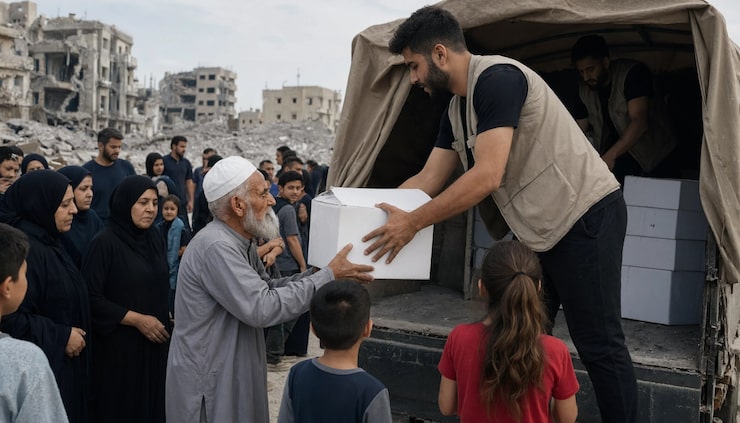
Humanitarian assistance should help people without exposing them to additional harm.

People affected by crisis may experience different protection risks depending on their circumstances, environment and access to services and support.

Protection therefore requires more than responding after harm has occurred.

It also requires humanitarian organizations to understand risks, design safer programmes, reduce barriers to assistance, protect confidentiality, listen to communities and ensure that people can safely raise concerns.

WAP's Protection programme provides a framework for integrating these responsibilities across humanitarian action and, where appropriate, developing dedicated protection interventions according to assessed needs, technical capacity, available resources and approved programme design.

The Protection Challenge

Crisis Can Increase Exposure to Harm

Conflict, displacement and humanitarian emergencies can disrupt the systems, relationships and services that people rely on for safety and support.
Protection risks vary considerably between contexts and individuals.
WAP seeks to understand these risks through appropriate assessment, community engagement and coordination rather than assuming that all people experience crisis in the same way.

Depending on context, people may face risks related to:

نهجنا

Protection Through Responsibility and Action

WAP seeks to approach protection through a combination of risk awareness, community participation, safe programming, appropriate referral and organizational accountability.

Our approach is guided by several priorities.

Protection Mainstreaming

Integrating Protection Across Our Programmes

Protection is not limited to projects labelled as Protection.

WAP seeks to integrate relevant protection considerations across its humanitarian programmes.

This means asking practical questions throughout programme design and implementation:

Protection mainstreaming helps ensure that humanitarian assistance considers not only what is delivered, but also how it is delivered.

Areas of Intervention

Protection Support Based on Need and Capacity

Depending on assessed needs, technical expertise, available resources, referral capacity and approved project design, WAP's Protection programme may include or support appropriate activities such as:

Community-Based Protection

Working with communities to understand protection concerns, capacities and locally informed approaches to reducing relevant risks.

Protection Awareness

Supporting appropriate access to information concerning relevant protection risks, available services and safe reporting options.

Protection Risk Identification

Integrating appropriate mechanisms for recognizing protection concerns within relevant humanitarian programmes.

Safe Referral

Connecting individuals with appropriate specialized services where needs fall outside WAP’s programme capacity and suitable referral pathways exist.

Child Protection Support

Where technically appropriate, supporting relevant community-based, preventive or referral activities addressing identified child-protection concerns.

Protection and Inclusion

Identifying and reducing relevant barriers that may prevent people from safely accessing humanitarian assistance.

Protection Mainstreaming

Integrating dignity, safety, accessibility, confidentiality and Do No Harm considerations throughout WAP programmes.

Community-Based Protection

Communities as Partners in Understanding Risk

Communities possess important knowledge about local risks, coping strategies, social relationships and available sources of support.

WAP seeks to engage communities appropriately in understanding protection concerns and identifying locally relevant approaches.

Community participation may include:

Community-based protection should not transfer responsibilities for managing serious protection cases to people who lack the appropriate training, authority or support.

تقديم الملاحظات
إثارة المخاوف
Contributing to programme review
Safe and Dignified Access

Assistance Should Be Accessible Without Creating Harm

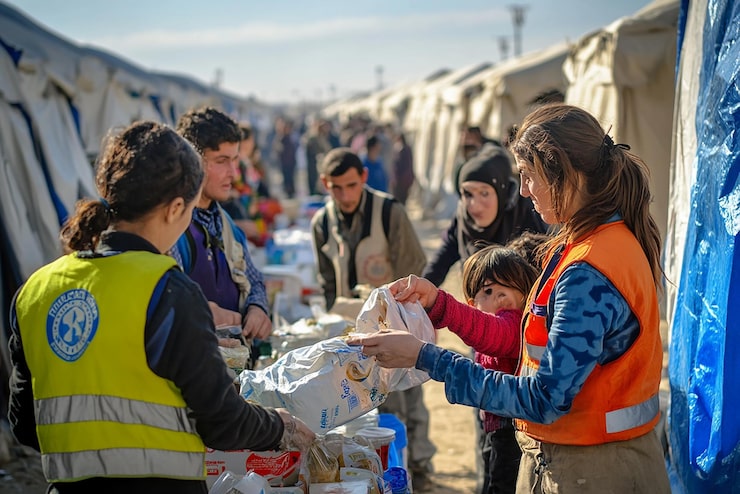
Humanitarian assistance can unintentionally create risks through location, timing, distribution arrangements, information practices or poorly designed eligibility processes.
WAP seeks to consider relevant protection risks throughout programme implementation.

This may include attention to:

Programme teams should monitor emerging concerns and adapt activities where appropriate.

الشمول

Understanding Different Barriers

People affected by the same crisis may experience different risks and barriers.

Age, disability, displacement, family circumstances, social conditions and other contextual factors may influence how people access humanitarian assistance.

WAP seeks to identify actual barriers through assessment and consultation rather than assuming vulnerability based solely on group identity.

Where appropriate, programme design should seek to reduce barriers and support equitable, safe and dignified access.

Child Protection

Protecting Children From Harm

Children can face heightened protection risks during conflict, displacement and humanitarian emergencies.

Where WAP programmes involve children, safeguarding and child-protection considerations should be integrated throughout programme design and implementation.

Depending on technical capacity and approved programme design, WAP may support appropriate preventive, awareness, community-based or referral activities related to child protection.

Specialized child-protection case management, assessment or other professional services should be undertaken only where appropriate technical expertise, procedures, supervision and referral systems are in place.

Access and Inclusion

Understanding Barriers to Education

Not every learner experiences the same barriers.
Conflict, displacement, disability, economic pressures, distance, insecurity and other contextual factors may affect access to education differently.
WAP seeks to understand actual barriers through assessment and community engagement rather than making assumptions.
Where appropriate, education projects may seek to address identified barriers and promote equitable access to relevant learning opportunities.

01

Learning Materials

Supporting Appropriate Learning Resources

A lack of suitable learning materials may create additional barriers for crisis-affected learners.

Where identified as a programme need, WAP may support access to appropriate educational materials.

Selection and distribution should consider:

Materials should support—not substitute for—the wider educational environment required for meaningful learning.

02

Education and Child Protection

Learning and Protection Are Connected

Humanitarian crises may expose children and young people to increased protection risks.

Education programming can provide opportunities to identify concerns and connect learners or families with appropriate support, but education personnel should not be expected to perform specialized protection functions outside their competence

WAP seeks to integrate appropriate child-protection considerations and referral arrangements into relevant education programmes.

03

Safeguarding and PSEA

Protecting Children and Learners From Harm

Education programming requires particularly strong safeguarding responsibilities because activities may involve children and young people.

WAP seeks to integrate safeguarding and PSEA requirements throughout relevant Education projects.

Personnel, volunteers and partners involved in education activities should understand applicable standards of conduct and reporting responsibilities.

Appropriate measures should be considered in areas such as:

Appropriate measures should be considered in areas such as:

04

Community Participation

Communities Help Shape Education Responses

Families, learners, teachers and communities possess important knowledge about the barriers affecting education and the solutions that may be appropriate locally.

WAP seeks to create meaningful opportunities for relevant community participation.

Participation may include:

Where children and young people participate, engagement should be age-appropriate, safe and consistent with safeguarding requirements.

المساءلة

Learners and Communities Have a Voice

WAP seeks to provide appropriate information about Education programmes and accessible opportunities for communities to ask questions, provide feedback and raise concerns.
Feedback mechanisms should be appropriate to the programme context and accessible to intended participants.
Special consideration should be given to ensuring that children and people facing communication or accessibility barriers can safely raise relevant concerns through appropriate mechanisms.

Education and WASH

Learning Environments Need Appropriate WASH Conditions

Access to water, sanitation and hygiene can affect the safety, dignity and usability of learning environments.

Where relevant, WAP seeks to connect Education and WASH programming so that identified needs can be addressed more coherently.

Education and Health

Supporting Learner Well-Being

Health conditions and barriers to appropriate health support can affect learning and participation.

Where relevant to identified needs and programme design, WAP seeks appropriate coordination between Education and Health interventions.

Education activities should not be used to provide clinical health services without appropriate technical arrangements.

Education and Nutrition

Nutrition Can Affect Participation and Learning

Nutrition challenges can affect children's health, well-being and ability to participate in learning.

Where appropriate, WAP seeks to consider relevant connections between Education and Nutrition programming.

Any specialized nutrition intervention should remain subject to appropriate technical standards and programme arrangements.

Education, Peacebuilding and Social Cohesion

Learning Can Support Stronger Communities

Education can provide opportunities to strengthen respectful interaction, community participation and understanding where appropriate to programme objectives.

In conflict-affected environments, education programming should remain sensitive to local conflict dynamics and avoid reinforcing exclusion or social tensions.

Where appropriate, WAP may connect relevant Education activities with conflict-sensitive and social-cohesion approaches.

Technical Quality

Education Programming Requires Appropriate Expertise

Education interventions should be designed and implemented with appropriate technical competence

WAP seeks to ensure that the scope of Education activities matches available expertise and programme capacity

Relevant technical considerations may include:

Where specialized expertise is required beyond WAP's internal capacity, appropriate technical collaboration should be considered.

Data Protection and Responsible Communications

Protecting Information About Children and Learners

Education programmes may involve personal information concerning children and families.

WAP seeks to collect only information necessary for legitimate programme purposes and protect it through appropriate confidentiality, access and data-management measures.

Particular care should be taken with:

Public communications should use appropriate consent and safeguarding procedures and should not expose children or families to unnecessary risk.

Coordination and Partnerships

Working With Relevant Education Actors

Effective education responses may require coordination with communities, relevant authorities, education actors, humanitarian organizations and other appropriate stakeholders.

WAP seeks responsible coordination where it can strengthen programme relevance, technical quality, referrals, continuity of learning or efficient use of resources.

Formal partnerships should be subject to appropriate organizational review.

Only approved relationships should appear publicly.

Target Population

Education Support Based on Identified Need

Target populations should be defined at project level according to verified education needs, programme objectives, access barriers and available capacity.

Projects may address the needs of crisis-affected learners and relevant communities where assessment demonstrates an appropriate programme need.

Targeting should use transparent criteria and avoid discrimination.

التعليم

WAP seeks to contribute to safe, inclusive and context-appropriate education responses that strengthen access to learning, protection and community participation for people affected by humanitarian crises.

Learning Through Crisis. Opportunity for the Future.

Education can provide continuity, protection and opportunity at times when crisis has disrupted many other aspects of life. WAP seeks to work responsibly with communities and relevant education actors to understand barriers, support appropriate learning opportunities and help create safer and more inclusive conditions for education.